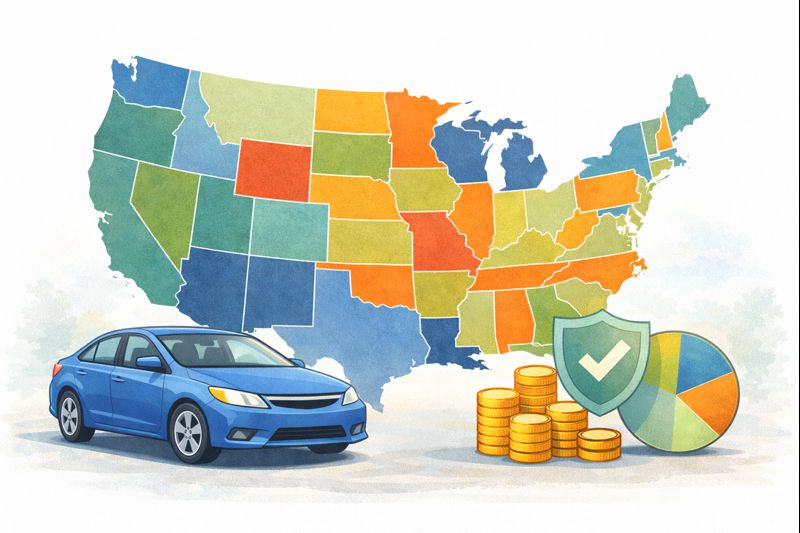

A visual concept highlighting how SR-22 insurance costs can vary by location.
Introduction: Why SR-22 Insurance Costs Vary by State
For many drivers, the most pressing question after being notified of a compliance requirement is cost. SR-22 insurance cost by state can vary widely, and understanding why those differences exist is essential for budgeting, compliance planning, and long-term financial responsibility.
Unlike standard auto insurance, SR-22 insurance involves state monitoring, mandatory filings, and elevated underwriting risk, all of which influence pricing. Because each state applies its own insurance laws, enforcement standards, and minimum liability requirements, the cost of SR-22 insurance is never uniform across the country.
This article explains how SR-22 insurance costs are determined, why prices differ by state, and what drivers can realistically expect to pay.
What Makes SR-22 Insurance More Expensive Than Standard Coverage?
Before comparing state costs, it is important to understand why SR-22 insurance typically costs more than standard auto insurance.
Higher Risk Classification
Drivers required to carry SR-22 insurance are generally considered higher risk due to prior violations, lapses, or administrative actions. Insurers price this risk into premiums.
Mandatory Continuous Coverage
SR-22 insurance requires uninterrupted coverage for a defined period. This reduces insurer flexibility and increases administrative oversight, which adds to cost.
Filing and Monitoring Fees
In addition to insurance premiums, insurers often charge filing and administrative fees to manage SR-22 compliance and state reporting.
Key Factors That Influence SR-22 Insurance Cost by State
1. State Minimum Liability Requirements
States with higher minimum liability limits tend to have higher SR-22 insurance costs. Larger required coverage amounts increase insurer exposure and premium pricing.
2. State Enforcement Intensity
States with strict enforcement systems—especially those using electronic insurance monitoring—often experience higher compliance costs due to increased administrative oversight.
3. Local Insurance Market Conditions
Insurance pricing reflects regional factors such as:
-
Accident rates
-
Population density
-
Litigation frequency
These variables directly affect SR-22 insurance cost by state.
Average SR-22 Insurance Cost by State: General Ranges
While exact pricing varies by individual profile, most drivers can expect SR-22 insurance costs to fall within these general monthly ranges:
-
Lower-cost states: modestly above standard high-risk insurance
-
Mid-range states: moderate premium increases plus filing fees
-
Higher-cost states: significantly elevated premiums and stricter underwriting
It is important to note that these are estimates, not guarantees. Individual driving history, age, vehicle type, and coverage limits all influence final pricing.
High-Cost States for SR-22 Insurance
Some states are consistently associated with higher SR-22 insurance costs due to regulatory complexity and elevated risk factors.
Common Characteristics of High-Cost States
-
High population density
-
Elevated accident and claim rates
-
Higher mandated liability limits
-
Aggressive compliance enforcement
Drivers in these states may face:
-
Limited insurer options
-
Higher monthly premiums
-
Increased filing and monitoring fees
Lower-Cost States for SR-22 Insurance
Conversely, some states tend to offer relatively lower SR-22 insurance costs, particularly where:
-
Minimum liability requirements are lower
-
Enforcement is less automated
-
Insurance markets are more competitive
Even in lower-cost states, however, SR-22 insurance remains more expensive than standard coverage.
How Driving History Affects SR-22 Insurance Cost
While state laws establish the framework, driving history remains one of the strongest pricing factors.
Violations and Points
The number and severity of prior violations can significantly increase SR-22 insurance cost by state. Multiple incidents compound risk and premiums.
Insurance Lapses
Drivers with repeated lapses in coverage are often charged higher rates, regardless of state.
Time Since Last Incident
Costs may gradually decrease over time if the driver maintains continuous, violation-free coverage.
Monthly vs Annual SR-22 Insurance Costs
Monthly Payment Structure
Many SR-22 policies are structured with monthly payments, which can be attractive for budgeting but may include higher administrative fees.
Annual Payment Discounts
Some insurers offer reduced overall costs for drivers who pay annually, though upfront expense is higher.
Choosing the right payment structure can affect total SR-22 insurance cost by state over the compliance period.
Hidden Costs to Watch For
When evaluating SR-22 insurance quotes, drivers should be aware of potential hidden expenses:
-
Filing fees charged by insurers
-
Reinstatement fees if coverage lapses
-
Policy change fees during compliance period
Understanding these costs upfront helps prevent budget surprises.
Comparing SR-22 Insurance Costs Across States
Because SR-22 insurance is regulated at the state level, cross-state comparisons should focus on structural differences rather than exact prices.
Key comparison points include:
-
Required coverage limits
-
Duration of filing requirement
-
Penalties for non-compliance
-
Availability of insurers
These factors collectively shape SR-22 insurance cost by state.
Can SR-22 Insurance Costs Change During the Required Period?
Yes. SR-22 insurance costs may change if:
-
State minimum coverage requirements increase
-
The driver adds or removes vehicles
-
Insurer underwriting policies change
However, changes are more limited during an active SR-22 compliance period than under standard policies.
Ways to Reduce SR-22 Insurance Costs Legally
While SR-22 insurance is inherently more expensive, drivers can take steps to manage costs responsibly:
-
Maintain perfect payment history
-
Avoid policy changes unless necessary
-
Choose vehicles with lower insurance risk profiles
-
Compare insurers experienced with SR-22 filings
-
Select coverage limits carefully within legal requirements
These strategies can help stabilize SR-22 insurance cost by state over time.
The Long-Term Financial Impact of SR-22 Insurance
Beyond immediate premiums, SR-22 insurance can affect:
-
Future insurance eligibility
-
Long-term premium trends
-
Credit-related insurance scoring in some states
Completing the required SR-22 period without violations is essential to minimizing long-term financial impact.
Frequently Asked Questions About SR-22 Insurance Costs
Is SR-22 insurance always expensive?
It is generally more expensive than standard insurance, but costs vary widely by state and driver profile.
Do all insurers offer SR-22 filings?
No. Some insurers specialize in compliance filings, while others do not offer SR-22 support.
Can costs decrease before the filing period ends?
In some cases, yes—but reductions are limited during the active compliance period.
Conclusion: Understanding SR-22 Insurance Cost by State
Understanding SR-22 insurance cost by state allows drivers to plan effectively, avoid unexpected expenses, and remain compliant with legal requirements. While pricing varies widely across the U.S., the underlying cost drivers—risk, regulation, and monitoring—are consistent.
Drivers who stay informed, choose insurers experienced with SR-22 filings, and maintain uninterrupted coverage are best positioned to manage costs and complete their compliance period successfully.